2018 Trading World Champion Rankings
Published January 2019Top 5 Rankings
| Rank | Trader | Specialty | Notable Achievement |
|---|---|---|---|
| 1 | Jim Simons | Quantitative / Systematic | Medallion Fund ~40% net, 30th consecutive positive year |
| 2 | Ray Dalio | Global Macro | 14.6% net, Bridgewater Pure Alpha, best year since 2011 |
| 3 | Michael Platt | Multi-Strategy / Macro | ~25% return, BlueCrest Capital Management |
| 4 | Ken Griffin | Multi-Strategy | ~9% return, Citadel Wellington, positive across all strategies |
| 5 | Paul Skarp | Futures | 311% audited return, World Cup Trading Championship Futures champion |
Profiles
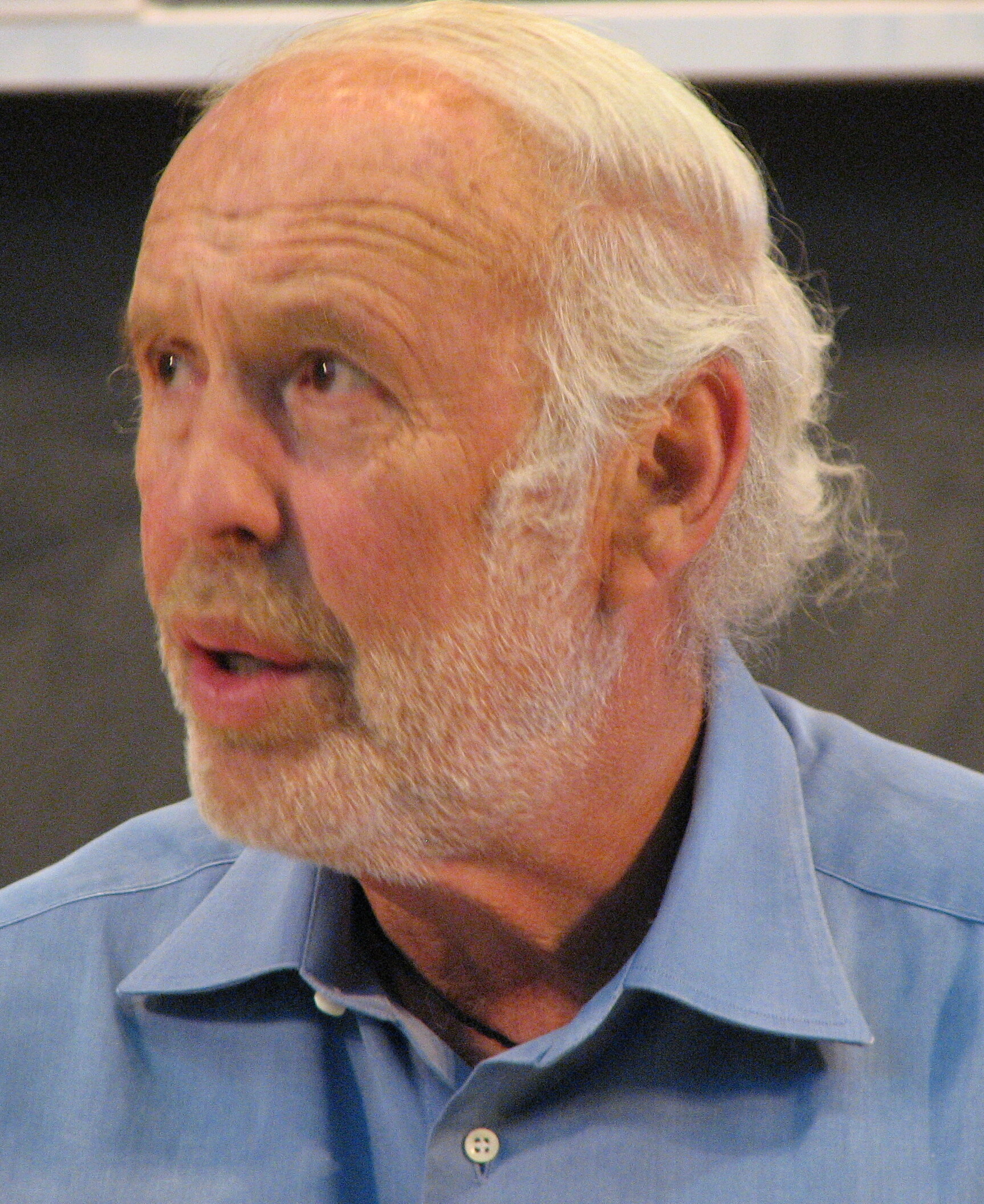
Jim Simons and the Medallion Fund delivered an estimated 40% net return in 2018, continuing the most remarkable winning streak in the history of professional trading. In a year where the S&P 500 fell 6.2%, the average hedge fund lost money, and some of the industry's biggest names posted double-digit losses, Medallion did what it has always done: made money. The fund has never had a negative year since inception in 1988. That three-decade run of positive returns, through dot-com crashes, financial crises, and everything in between, stands alone in the history of finance.
2018 was precisely the kind of environment where Medallion's approach tends to shine brightest. When volatility returned after years of calm — starting with the February VIX blowup and culminating in the Q4 equity selloff — the fund's high-frequency, pattern-recognition models found more opportunities, not fewer. While discretionary managers struggled to read the macro picture and long-only equity funds were dragged down by the market, Renaissance's algorithms were designed to profit from short-term dislocations regardless of direction. Higher volatility meant more signal, and more signal meant more profit.
Simons, a former mathematics professor and NSA codebreaker, founded Renaissance Technologies in 1982 and launched the Medallion Fund in 1988. The fund has been closed to outside investors since the mid-2000s and is available only to current and former employees. It charges a 5% management fee and a 44% performance fee — the highest in the industry — and still delivers returns that dwarf virtually every other fund after those fees are deducted. Between 1988 and 2018, the fund averaged 66% gross and 39% net annually.
The challenge in ranking Simons is that Medallion's returns are not independently audited in a public-facing way, and the fund doesn't report to databases. But the performance figures that have been disclosed through various channels — including Gregory Zuckerman's reporting and academic studies — are consistent and widely accepted. In a year that punished almost everyone else, estimated performance of 40% net puts Simons in a class by himself. No one else came close to that combination of magnitude and consistency. Full article »
Ray Dalio's Bridgewater Associates posted a 14.6% net return in its flagship Pure Alpha fund in 2018, the strategy's best year since 2011 and one of the strongest macro performances of the year. While nearly every major asset class finished negative, Bridgewater's systematic macro approach — which trades across roughly 150 markets seeking low correlation — found opportunities in global bond, currency, and commodity dislocations. The result reportedly netted Dalio approximately $2 billion in personal income for the year.
Bridgewater manages over $160 billion, making it the world's largest hedge fund, and Pure Alpha has generated roughly 12% annualized net returns over nearly three decades with only three losing years. In 2018, the firm's size and diversification worked in its favor. While single-strategy funds and equity-focused managers took losses, Bridgewater's uncorrelated approach across global markets delivered the kind of all-weather performance the firm was built to produce. In a year defined by losses, 14.6% on that scale is a result few others could match.
Michael Platt's BlueCrest Capital Management returned approximately 25% in 2018, continuing a run of outsized performance that began after the firm returned all outside capital to investors in 2015 and converted to a proprietary trading operation. Free from the constraints of managing client money — redemption pressures, risk reporting, position limits — Platt was able to trade with the kind of agility and aggression that institutional fund management rarely allows. In 2016, BlueCrest gained nearly 50%. In 2017, it returned 54%. The 2018 result was lower in percentage terms but arguably more impressive given market conditions.
Platt, who co-founded BlueCrest in 2000 after building the proprietary trading desk at JPMorgan in London, runs a multi-strategy operation spanning macro, rates, credit, and systematic trading. His risk management philosophy is famously strict — he is known for cutting losing traders quickly and scaling winners aggressively. In a year that punished overexposure and rewarded capital preservation, that discipline translated directly into the 25% gain. BlueCrest's private structure means performance is not subject to public disclosure requirements, but the figures have been widely reported in financial media.
Ken Griffin's Citadel Wellington fund returned approximately 9% in 2018, a result that looks modest in isolation but stands out sharply when measured against the year's carnage. The S&P 500 was down 6.2%, the average hedge fund lost money, and some prominent managers posted catastrophic losses — David Einhorn's Greenlight Capital fell 34%, and Dan Loeb's Third Point dropped 11%. Against that backdrop, generating a solidly positive return across a multi-strategy platform managing tens of billions was a meaningful achievement.
Griffin ranks fourth rather than higher because the raw return, while positive, was below peers like Medallion and Pure Alpha in both percentage and absolute terms. That said, Citadel's 2018 demonstrated the resilience of its diversified model — equities, macro, commodities, fixed income, and quant strategies all contributed positively, meaning no single book carried the firm. The ability to stay positive across five uncorrelated strategies in a year that broke many of the industry's biggest names foreshadowed the machine-like consistency that would produce Citadel's historic $16 billion year in 2022.
Paul Skarp won the 2018 World Cup Trading Championships futures division with an audited return of 311%, the highest verified competition result of the year by a wide margin. The World Cup Trading Championship, administered by Robbins Trading Company since 1984, is the longest-running real-money trading competition in the world, and its results are fully audited through third-party brokerage records. In a year that punished most traders regardless of strategy, Skarp's 311% return was a standout not just within the competition but across the entire trading landscape.
Skarp traded futures across multiple asset classes, capitalizing on the elevated volatility that defined 2018 — from the February VIX blowup through the Q4 equity selloff. His directional approach and aggressive position sizing were ideally suited to a year of sharp, tradeable moves. Second-place finisher Allen Swiontek posted 158.9%, a strong result in its own right but barely half of Skarp's final number. Skarp would go on to win the World Cup Trading Championship Futures division again in 2025 with a 256% return, establishing himself as one of the most accomplished competition traders of the modern era.
« 2017 Rankings | All Years | 2019 Rankings »
Rankings are editorial selections based on publicly available information as of Dec 2018. More info.